As the global vehicle parc continues to grow and consumer mindsets mature, the automotive aftermarket is undergoing a comprehensive transformation—from basic repair services to refined maintenance and personalized customization. In midsummer 2026, the latest industry trend report released by leading supply chain platforms reveals that the ability to supply a Full Range of Automotive Parts has become a critical benchmark for measuring core competitiveness. From essential safety components to aesthetic exterior parts, market demand for replacement parts is expanding in both "breadth" and "depth."
In the safety and lighting sector, Automotive Lighting System Accessories represent the most dynamically innovative segment. With the growing adoption of adaptive matrix headlights, laser-assisted lighting, and interactive rear lamps, demand for supporting accessories—such as lens modules, ballasts, daytime running light drivers, and waterproof wiring harnesses—has surged. Industry data shows that in the first half of 2026, aftermarket replacement sales of high-end lighting accessories rose by 23% year-over-year. Vehicle owners are no longer satisfied with mere brightness; they now prioritize "intelligent anti-glare" functionality and "rain/fog penetration" performance. This trend has compelled repair shops to include lighting system inspections as a mandatory item in routine safety checks.
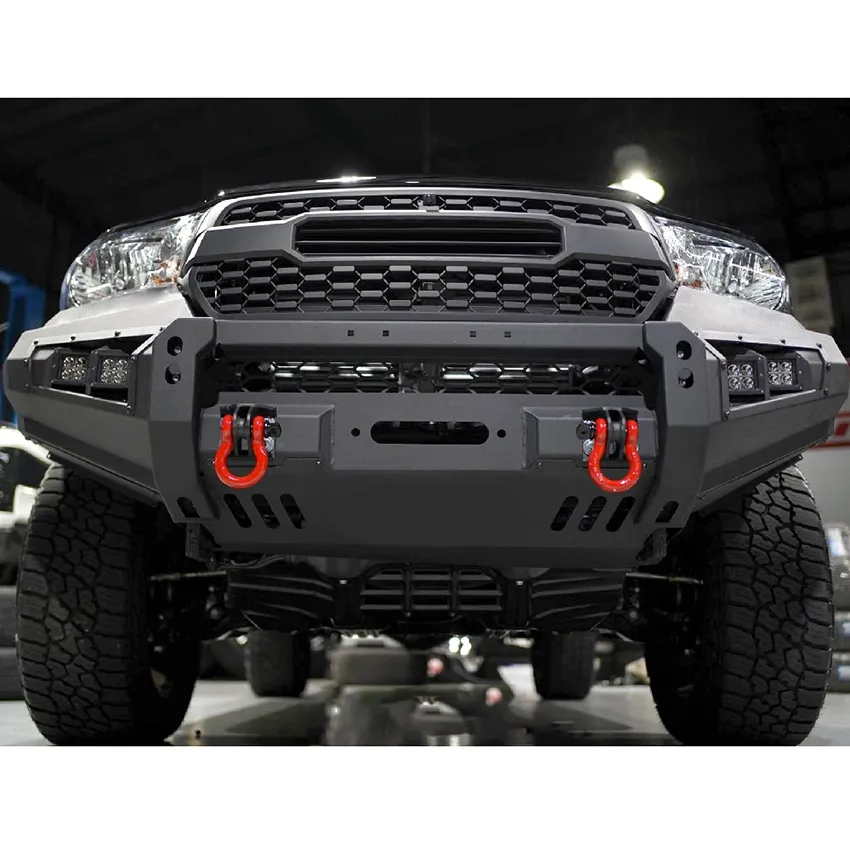
Running parallel to safety concerns is the rising "appearance economy," which has now extended to the wheel segment. Automotive Decorative Accessories are no longer confined to interior trim panels or exterior chrome accents; instead, they are increasingly integrated with functional features. Products such as illuminated wheel center caps, dynamic welcome projector steps, and carbon-fiber-textured mirror covers have become the "standard trio" for younger car owners. Notably, the boundary between decorative accessories and performance modifications is blurring—for example, sporty grille trim kits with built-in heat-dissipation and airflow-guiding functions deliver both visual impact and improved intake efficiency.
As the only vehicle component that maintains direct contact with the road, the Car Tire market is undergoing a materials revolution under the "dual carbon" goals. New-generation bio-based rubber tires and self-repairing sound-absorbing foam tires have become bestsellers during the summer promotional season. Channel feedback indicates that when selecting tires, owners now prioritize wet-braking performance and rolling resistance over brand premiums—provided the size fits. Complementary products such as TPMS sensors and smart tire repair sealants are also frequently repurchased alongside tires, forming strong bundled sales packages.
On the rigid demand side of after-sales maintenance, Automotive Repair Replacement Parts are facing increasingly stringent requirements for delivery lead times and quality certification. As the average vehicle age surpasses 6.2 years, high-frequency replacement components—including brake discs and pads, suspension control arms, timing kits, and cooling fans—have entered a peak replacement cycle. Leading platforms have established regional distribution hubs, raising next-day coverage for commonly used replacement parts to 92%. They have also rolled out digital diagnostic services with a "check-before-replace" protocol, ensuring that every replacement part is fully compatible with the vehicle's electronic control systems, thereby eliminating the root causes of post-repair issues.
Ultimately, the orderly flow of all these product categories hinges on the digitalized coordination of the entire Auto Parts supply chain. From a single screw to a complete intelligent headlamp assembly, from a set of silent tires to a high-performance brake pad set, full-chain SKU management, anti-counterfeit traceability, and real-time quoting systems are reshaping the trust relationship between repair shops and car owners. Industry experts point out that over the next three years, "full-category inventory, scenario-based recommendations, and 48-hour rapid maintenance" will become the new normal for aftermarket services. The player that can first establish a closed-loop data ecosystem spanning lighting, decoration, tires, and replacement parts will gain pricing power in this trillion-yuan market.
This July, whether you're upgrading to intelligent lighting accessories for enhanced safety, fitting new tires and stylish decorative accents for your vehicle, or sourcing precise repair replacement parts for an aging car—the efficient circulation of full-range automotive parts ensures that every journey is more confident, radiant, and worry-free for every driver.